Eating with Dentures: Foods to Enjoy and Foods to Avoid
If you've just got new dentures, chances are food is already on your mind — specifically, what you can and can't eat. The good news is that with a little patience and the right approach, most people can enjoy a wide variety of foods with their dentures. The key is knowing what to expect, understanding which foods to be careful with, and giving yourself time to adjust.
Whether you are brand new to dentures or you’ve had them for years and want to make the most of mealtimes, this guide is for you.
The Adjustment Period: What is Normal?
If you’ve just received your dentures, it is completely normal for eating to feel a bit awkward at first. Your mouth is getting used to something new, and your cheek and tongue muscles need time to learn how to keep them in place while you chew.
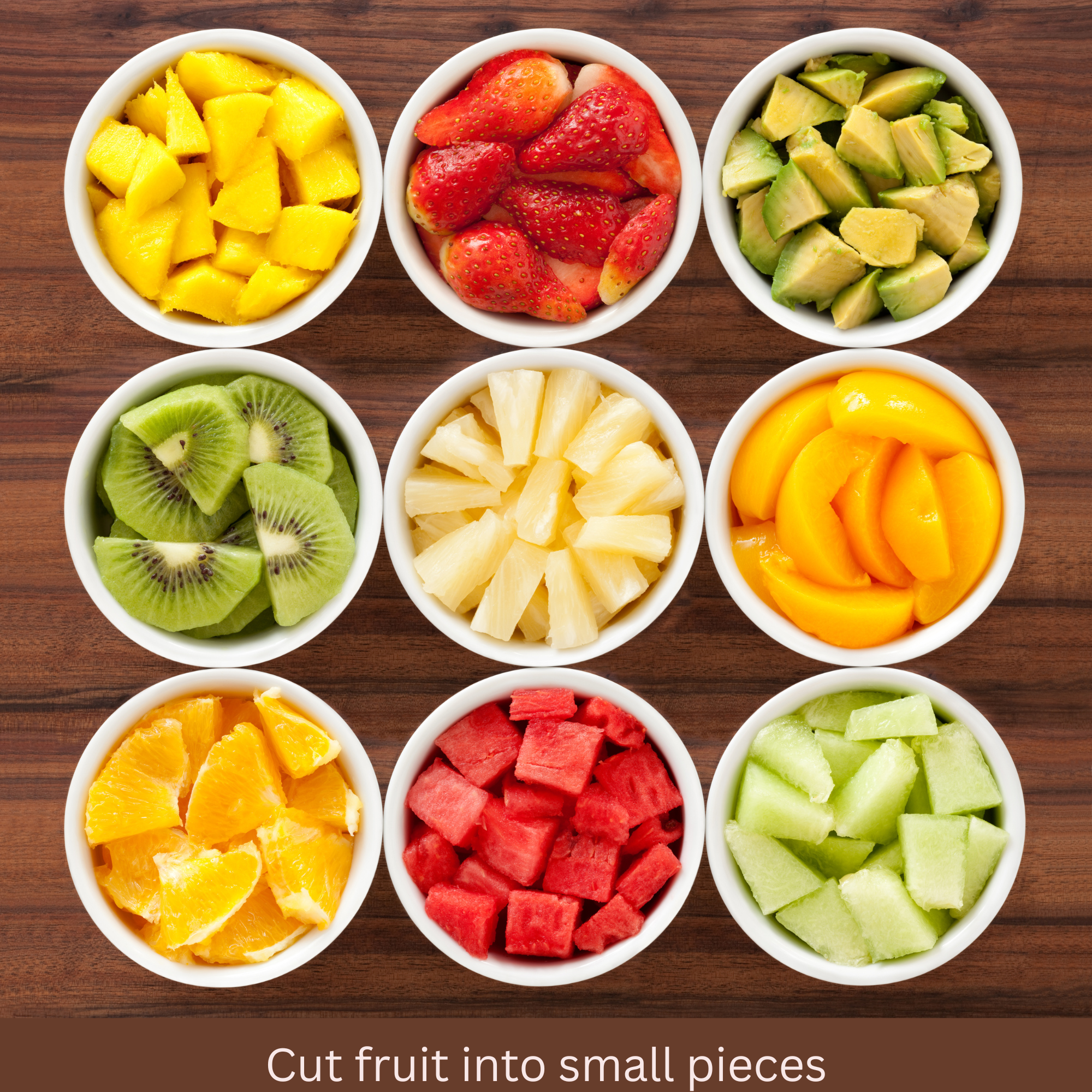
In the first few weeks, it is a good idea to:
• Start with soft foods that require minimal chewing
• Cut food into smaller pieces than you normally would
• Chew slowly and use both sides of your mouth evenly — this helps keep your dentures stable
• Avoid biting directly with your front teeth until you are more confident
Don’t be discouraged if things feel clumsy to begin with — this is temporary. Most people find that within a few weeks they are eating comfortably and confidently.
Foods to Enjoy: Denture-Friendly Favourites
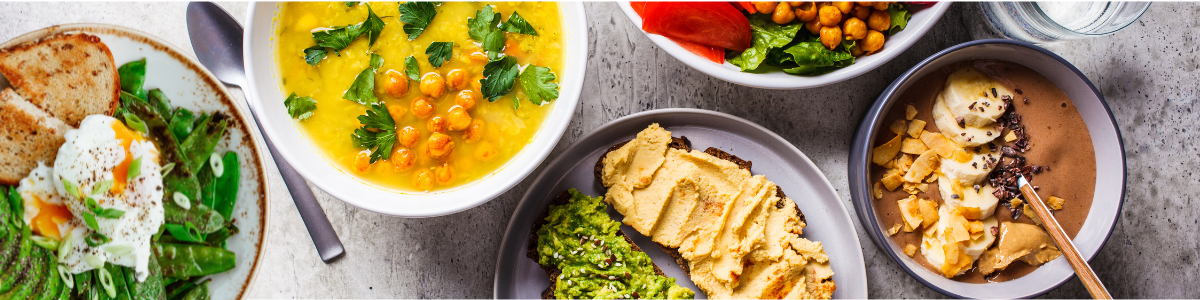
The list of foods you can enjoy with dentures is actually much longer than the list of things to avoid. Here are some great options:
Soft Proteins
Fish, eggs, tofu, slow-cooked chicken, and minced meat are all easy to eat and packed with the protein your body needs. A poached egg on toast, a bowl of fish chowder, or a slow-cooked lamb stew? All perfect denture-friendly meals.
Cooked Vegetables
Steamed, roasted, or boiled veggies are much easier to manage than raw ones. Think soft-roasted kumara, steamed broccoli, mashed potato, or a warming vegetable soup. These are easy on your gums and give you all the goodness vegetables have to offer.
Dairy and Soft Foods
Yoghurt, soft cheeses, smoothies, and milkshakes are great options — especially in the early days. They are nutritious, gentle on your gums, and require no chewing at all.
Grains and Bread
Soft bread, pasta, rice, and porridge are all manageable. Just be mindful that bread can sometimes bunch up under your dentures, so keep portions small and chew slowly.
Soft Fruits
Bananas, kiwifruit, berries, canned peaches, and melon are all easy to eat. Fruit is a wonderful part of a healthy diet, and most soft varieties are very denture-friendly.
Foods to Be Careful With

There is a difference between foods you should avoid entirely and foods you simply need to approach with a bit more care. Here is a breakdown:
Hard or Crunchy Foods
Raw carrots, hard crackers, crusty bread, nuts, and seeds can put uneven pressure on your dentures and may cause them to shift or even crack. If you love crunchy foods, try cutting them into very small pieces rather than biting into them whole.
Sticky Foods
Toffees, chewing gum, and very sticky lollies are a classic problem for denture wearers. They can grip onto your denture and pull it out of position, or worse, cause damage to the denture itself. It is best to skip these altogether.
Whole Fruits and Vegetables with Tough Skins
Biting into a whole apple or a firm piece of raw capsicum requires the kind of front-teeth pressure that can dislodge dentures. Peel and slice these foods instead, or cook them to soften them up.
Meat with Bones
Chicken legs, spare ribs, and T-bone steaks are tricky because you need to bite around bones. This can create unpredictable pressure on your dentures. Opt for boneless cuts instead, and slow-cook meat so it falls apart easily.
Very Hot Foods and Drinks
Your dentures can act as an insulator, making it harder to gauge the temperature of hot food or drink. Be careful with very hot soups, teas, and coffees — let them cool a little before eating or drinking to avoid burning the soft tissues in your mouth.
Small Seeds and Grains
Poppy seeds, sesame seeds, and similar tiny items have a habit of getting underneath your dentures and causing irritation. This won’t hurt your denture, but it can be uncomfortable. Rinse your mouth and denture after eating these if you notice any irritation.
Practical Tips for Mealtimes
Beyond the specific foods, there are a few everyday habits that make eating with dentures a whole lot easier:
• Cut everything smaller than you normally would — this takes the effort off your dentures and puts it on the knife and fork where it belongs.
• Chew on both sides simultaneously to distribute pressure evenly and keep your dentures balanced.
• Take your time. Eating slowly gives you more control and reduces the chance of your dentures shifting.
• Stay hydrated. Drinking water during meals helps break down food and keeps things moving comfortably.
• Clean your dentures after meals when you can. Food particles under the denture can cause irritation and odour.
When Eating Becomes Consistently Uncomfortable
If you find that eating is regularly uncomfortable, painful, or that your dentures are slipping around even with softer foods, this is worth paying attention to. It is often a sign that your dentures need a reline or adjustment.
Over time, the shape of your gums and jawbone changes — especially in the years following tooth loss. This means your dentures can become looser and less stable, which makes eating harder. A reline is a simple procedure that refits the base of your denture to your current gum shape, restoring comfort and stability without needing a whole new denture.
If you are avoiding certain foods because of discomfort, or if mealtimes have started to feel like a chore, give us a call. We would love to help you get back to enjoying food again.
The Bottom Line
Eating with dentures does take a little adjustment — but it absolutely doesn’t mean giving up the foods you love. With the right approach, most people with well-fitting dentures can enjoy a varied, nutritious, and delicious diet.
The secret is knowing what to be mindful of, taking your time at mealtimes, and making sure your dentures fit well. If something doesn’t feel right, don’t just put up with it — dentures are meant to make your life better, not harder.
At Clinical Smiles, we are here to help you get the most out of your dentures — whether that is a simple adjustment, a reline, or just a friendly chat about what is been bothering you. Get in touch with our team in Auckland or on Waiheke Island, and let’s make sure your dentures are working as well as they possibly can for you.